-
![]()
Vertiflex/Superion (Currently unavailable as device is recalled for optimization)
The Vertiflex Procedure is redefining the treatment of LSS for patients. It provides patients with a clinically proven, minimally invasive solution that is designed to deliver long-term relief from the leg and back pain associated with LSS. This level-one evidence-based procedure is supported by data from patients who reported successful outcomes up to five years.
-
![]()
MILD
The minimally invasive Mild Procedure for patients with lumbar spinal stenosis (LSS) low-risk, outpatient treatment removes the cause of stenosis through an incision the size of a baby aspirin and has shown to significantly improve LSS pain and mobility. mild® is an early treatment option to consider when conservative therapies (e.g., physical therapy, pain medication, chiropractic, injections) are not providing adequate relief. The mild® procedure addresses a major root cause of LSS by removing excess ligament tissue to restore space in the spinal canal.
-
![]()
Percutaneous Sacroiliac Joint Fusion/Stabilization
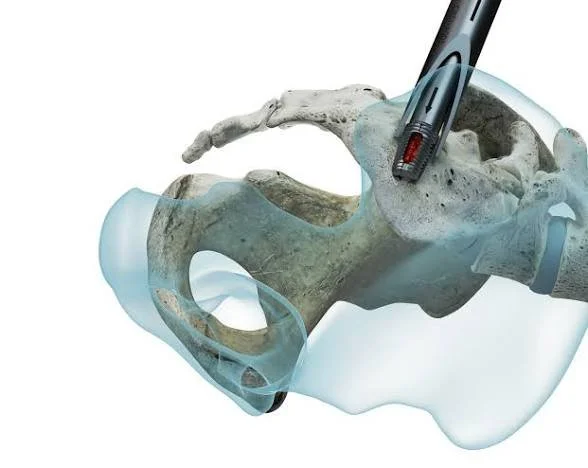
Panasia™ SI Fusion Device is a minimally invasive implant system designed to stabilize and fuse the sacroiliac (SI) joint. It uses a porous titanium implant to promote bone growth while reducing SI joint pain caused by instability or degeneration. It is placed percutaneously across the SI joint to promote bone fusion while preserving surrounding anatomy, offering durable fixation with less tissue disruption and faster recovery compared to open surgery.
-
![]()
Spinal Cord Stimulation
A spinal cord stimulator is an implanted device that facilitates delivery of electrical activity to the spinal cord through the epidural space. This is accomplished by placing thing wires (electrodes) in the epidural space of the spine. The electrodes are attached to an implanted battery (generator). Electrical impulses are then controlled via remote to provide optimal pain control. Is this procedure right for you? There are many indications for this treatment.
- Back pain, especially back pain that continues even after surgery (failed back surgery syndrome)
- Post-surgical back pain
- Arachnoiditis (painful inflammation of the arachnoid, a thin membrane that covers the brain and spinal cord)
- Heart pain (angina) untreatable by other means
- Nerve-related pain/Neuropathy
- Severe diabetic neuropathy
- Cancer-related neuropathy from radiation
- Peripheral vascular disease
- Complex regional pain syndrome
- Pain after an amputation
- Visceral abdominal pain and perineal pain
Spinal cord stimulators require two procedures to test and implant the device: the trial (test of devices’ effect on your pain) and the implantation if the test goes well.
-
![]()
Dorsal Root Ganglion Stimulation
Someone experiencing intense pain that started after an injury or a surgical procedure might have something called Complex Regional Pain Syndrome (CRPS I) or Causalgia (CRPS II). Proclaim™ DRG therapy from Abbott can treat chronic pain associated with CRPS or causalgia of the lower body, including:
Pelvis
Groin
Knee
Ankle
Hip
Foot
-
![]()
Peripheral Nerve Stimulation
SPRINT® Peripheral Nerve Stimulation (PNS)
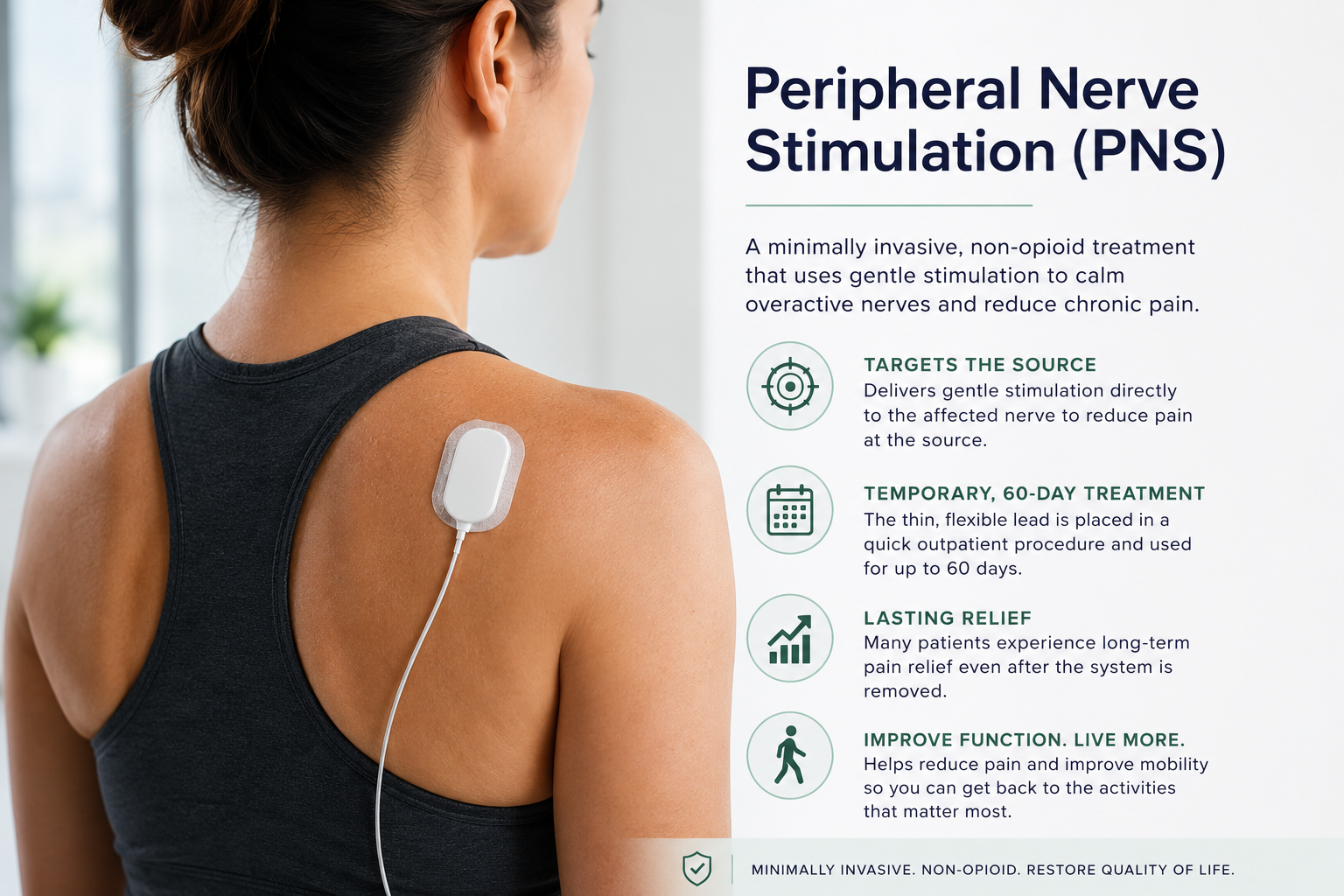
SPRINT® Peripheral Nerve Stimulation (PNS) is a minimally invasive, non-opioid treatment for chronic pain that uses a small temporary wire placed near a targeted peripheral nerve to help reduce pain and improve function. Unlike permanent implants, the SPRINT system is designed to be used for approximately 60 days before being removed in the office. By gently stimulating the affected nerve, SPRINT can help retrain the nervous system and provide long-lasting pain relief even after the treatment is complete. It may be an effective option for patients with chronic nerve, joint, or musculoskeletal pain who have not found adequate relief with medications, injections, or physical therapy.
-
![]()
ReActiv8
ReActiv8® Restorative Neurostimulation
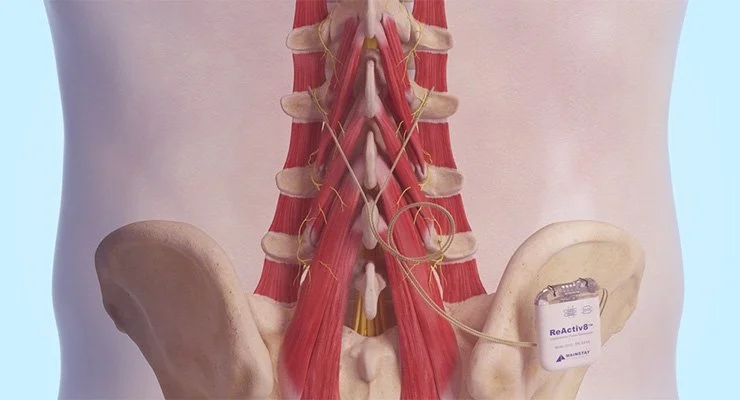
ReActiv8® is an innovative, minimally invasive treatment for chronic mechanical low back pain caused by dysfunction of the deep stabilizing muscles of the spine. Unlike treatments that simply mask pain, ReActiv8 works by restoring communication between the nerves and the multifidus muscle, helping to improve spinal stability and address an underlying cause of chronic back pain. The device is implanted during a minimally invasive outpatient procedure and delivers scheduled stimulation sessions that patients activate at home. Over time, many patients experience reduced pain, improved function, and a better quality of life without relying on long-term medications.